

Core Principles/Single Source Of Truth
Core Principles
Single Source of Truth
Why ApiHug treats the contract as the controlled source that keeps code, docs, and collaboration aligned.
What It Means
Single source of truth (SSOT) means the team agrees on one controlled artifact that defines what is real.
In API work, the problem is not only storing information. The real problem is keeping product intent, interface definition, generated code, tests, and documentation synchronized when requirements change.
Why It Matters
Distributed teams create drift very easily:
- product updates the requirement
- backend changes the implementation
- frontend adjusts to the latest payload
- documentation lags behind
When each role reads from a different source, change management becomes slow and error-prone.
Why Source Code Alone Is Not Enough
Source code is authoritative for execution, but it is not always a good collaboration surface.
Code alone does not reliably solve two needs:
- all relevant roles must be able to read the truth
- downstream systems must react when the truth changes
That is why code-only API workflows still drift, even when documentation can be generated later.
Why Specification-First Helps
A controlled specification gives the team a neutral collaboration layer.
Instead of treating implementation, docs, and testing as parallel worlds, the specification becomes the shared contract that drives them together. In API ecosystems this idea appears in formats such as OpenAPI, gRPC, AsyncAPI, and GraphQL.
How ApiHug Applies It
ApiHug treats the contract as the collaboration center for the API lifecycle.
The contract should be:
- versioned in Git
- reviewable by multiple roles
- connected to generation, validation, and distribution workflows
That is why ApiHug emphasizes contract-first design instead of treating documentation or code generation as an afterthought.
Git and Automation
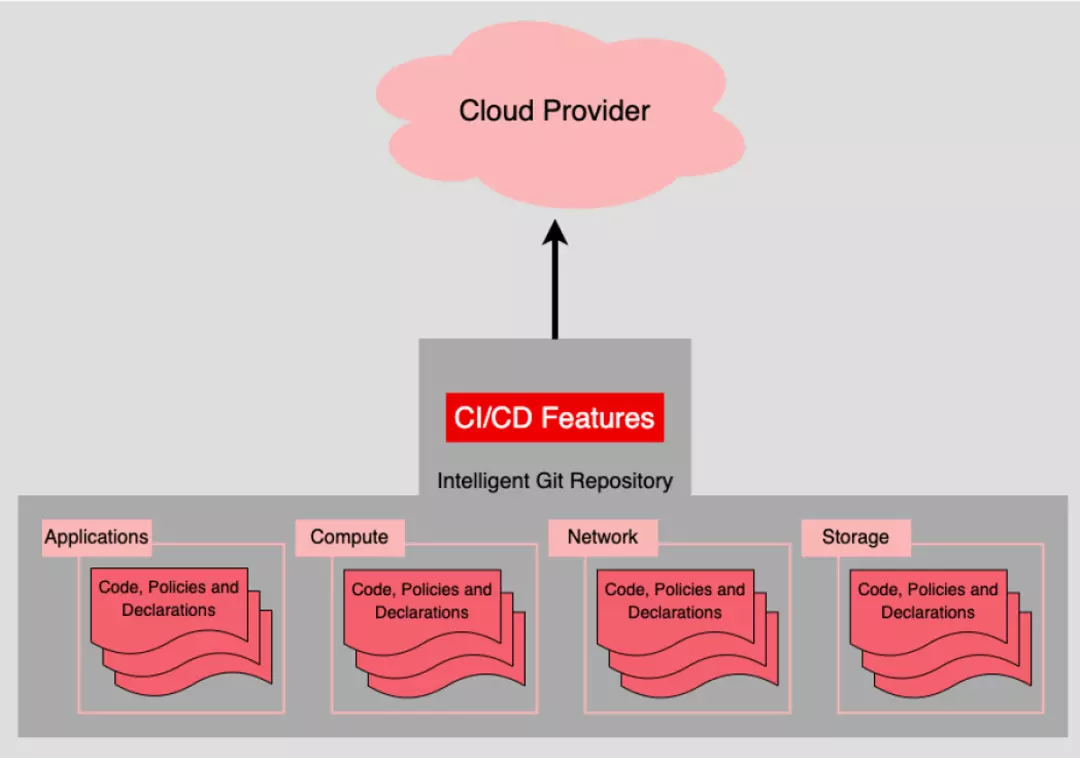
Git is a practical home for SSOT because it already provides:
- version history
- review flow
- branch control
- webhook and CI/CD integration
That does not solve synchronization automatically, but it provides the control surface needed to build reliable automation around specification changes.
A Contract-First Example
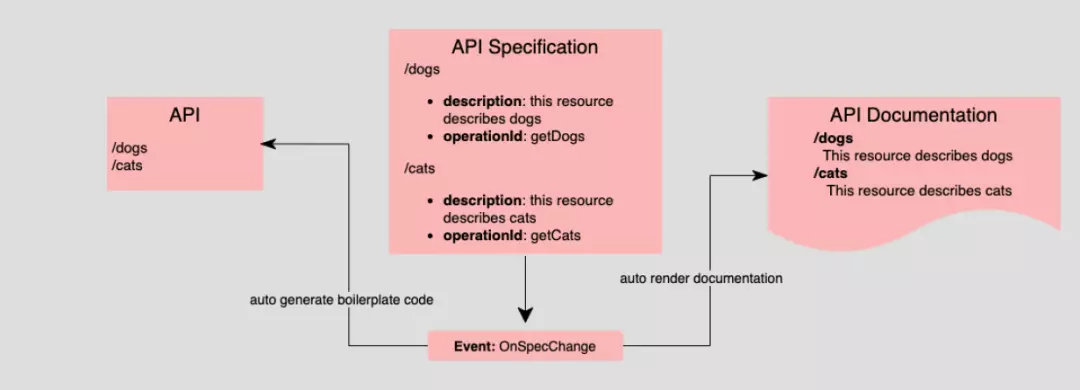
When a new endpoint is added, the contract should change first. That contract update can then drive:
- documentation updates
- code generation
- frontend and backend integration work
- downstream review or delivery actions
Without that flow, teams usually fall back to manual synchronization and accept drift as normal.
Result
SSOT is not just a storage choice. It is a change-management strategy. ApiHug uses the contract as that strategy so teams can reduce misunderstanding, automate more safely, and keep API lifecycle artifacts aligned.